The false nine: how a roaming centre-forward changed attacking football
From Hidegkuti at Wembley to Totti, Fàbregas and Messi, discover how the false nine reshaped attacking space.
FEATURE — Tactical explainer
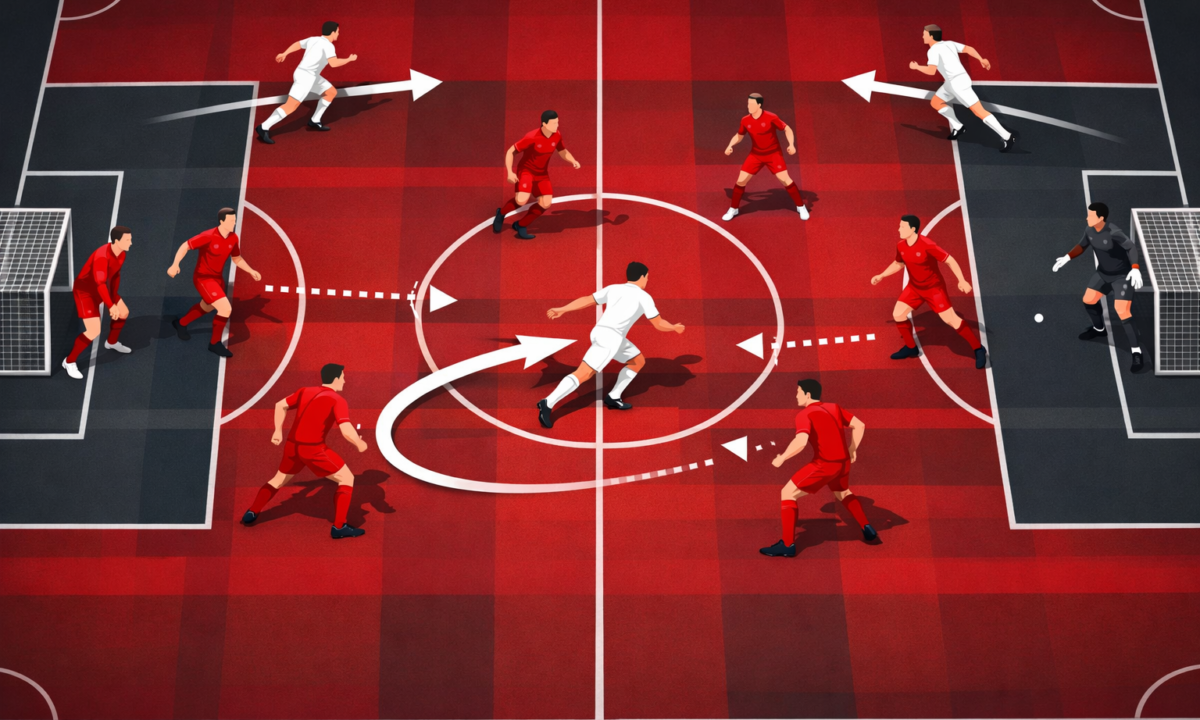
A false nine starts at centre-forward but drops towards the ball, creating a midfield advantage and inviting teammates into the space left behind.
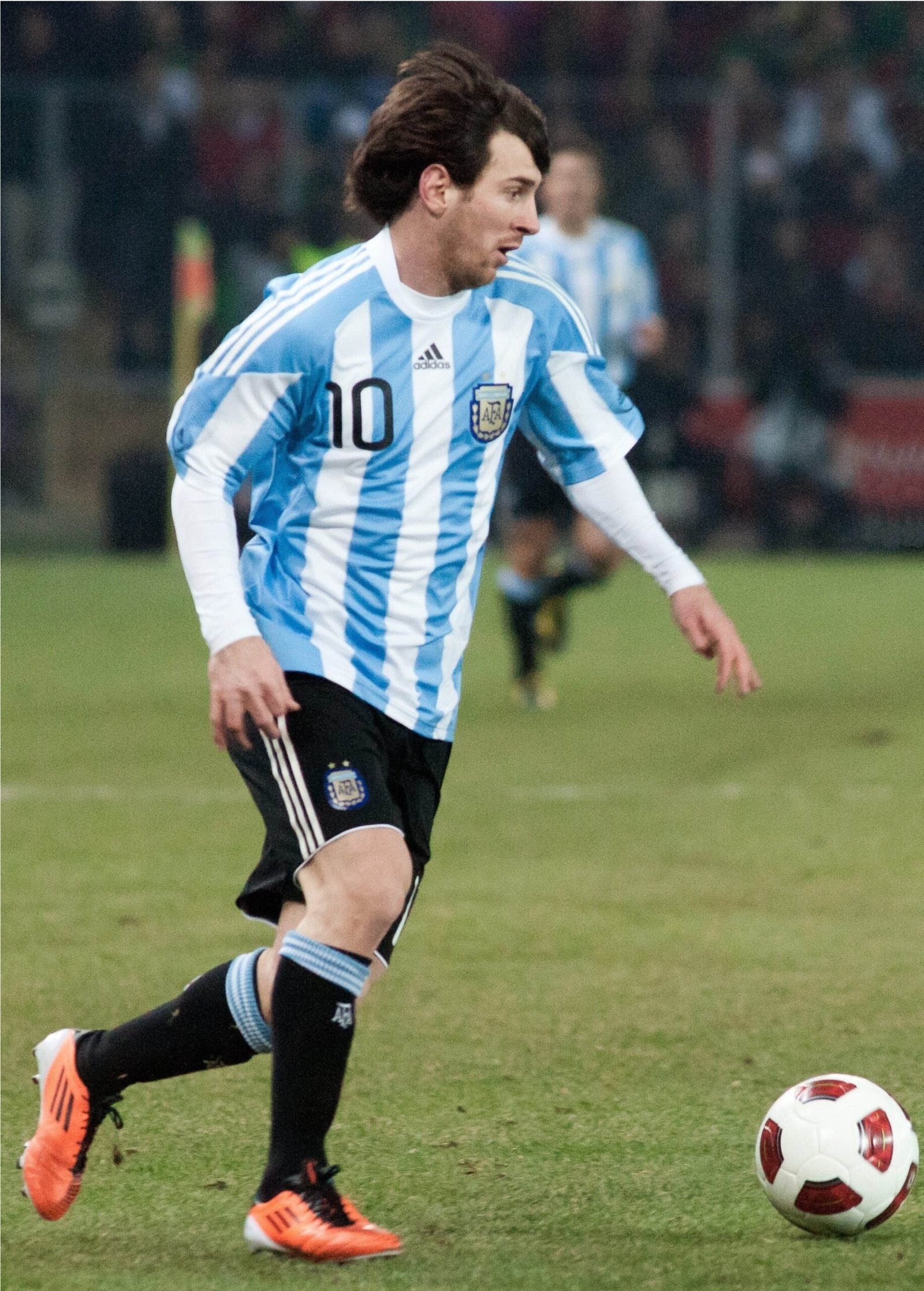
If a centre-back follows, runners can exploit the gap. If the defender holds position, the false nine can receive between the lines. The role therefore relies on coordinated movement—not simply dropping deep.
An evolution, not a single invention
There is no undisputed inventor. Tactical histories retrospectively identify G.O. Smith and Matthias Sindelar among the role’s precursors.
A defining demonstration came on 25 November 1953, when Nándor Hidegkuti linked Hungary’s attack in a 6-3 win over England at Wembley.
Later interpretations included Francesco Totti at Roma in 2005/06 and Cesc Fàbregas for Spain at Euro 2012.
Messi and the mainstream
UEFA says Pep Guardiola moved Lionel Messi into a false-nine position when Barcelona beat Real Madrid 6-2 on 2 May 2009. Messi scored twice.
The false nine is fluid, not positionless. It changed attacking football by using movement away from goal to create better routes back towards it.
Historical terminology is retrospective and disputed; the first use of “false nine” has not been established.
Classification: Report / Features & Opinion
Source freshness: Supplied package updated 8 September 2026, 02:41 UTC.
Sources: FIFA, The FA, UEFA, FC Barcelona and the supplied attribution package. Wikipedia was not treated as independent authoritative evidence.
Rights: Hero is an internally AI-generated tactical illustration with attached rights manifest; it must not be represented as match footage.
Corrections: Any correction or withdrawal must preserve this package and its delivery record, then create an auditable replacement action.
More on DSN: Gyökeres rejects Arsenal exit talk as he admits frustration over playing time, Gabriel Martinelli’s Arsenal Exit Raises Questions After Arteta Snub and Mbappé leaves France camp with knee tendon injury after scoring in Zidane’s first game.
Our sister site DGBN has also covered whether Chelsea can win the league with three at the back.